


Pinterest Affiliate Marketing for Beginners: 8 Proven Steps
learn: Affiliate marketing on Pinterest has become one of the most popular ways to earn passive income online.
Whether you are a blogger, influencer or just someone looking to make money online, affiliate marketing provides an excellent opportunity to generate income by promoting products or services.
One platform that’s increasingly being recognized for affiliate marketing is Pinterest visual search engine and social media platform with over 450 million monthly users.
In this guide we’ll explore everything beginners need to know about affiliate marketing on Pinterest and how to get started.
What is affiliate marketing?
Before we dive into Pinterest, let’s understand what affiliate marketing is.
Affiliate marketing is a performance-based marketing strategy where you earn commissions by promoting the products and services of others.
Essentially, you become the intermediary between the customer and the seller.
Here’s how it works:
Join an affiliate program: Sign up for a program using your Amazon Associates ShareSale or ClickBank link.
Here’s how it works:
Join an affiliate program: Sign up for a program using your Amazon Associates ShareSale or ClickBank link.
Get your own affiliate link:
Every product or service you promote has its own tracking link. Promote your products: Share affiliate links through social media blogs and Pinterest.
Earn a commission: When someone clicks your link and makes a purchase, you earn a portion of the sale.
Affiliate marketing is attractive because you do not need to create your own products deal with customer service or handle shipping. Your main job is connecting potential buyers with products they need.
Step 1: Create a Pinterest business account
If you’re serious about affiliate marketing, the first step is to create a Pinterest business account. A business account gives you access to important tools to track your success, including analytics, ad campaigns, and a wealth of pins. Here’s how
to set up your account:
Visit Pinterest and click Sign up.
Please select “Professional Account” when registering.
Enter your details.
Select your business name website (optional at first), and category. Optimize your profile.
Use a clear profile photo.
Create a keyword-rich bio that describes what your page is about.
Add a link to your site (if available).
A well-optimized Pinterest profile increases trust and draws users to your Pins.
Step 2: Understand Pinterest SEO
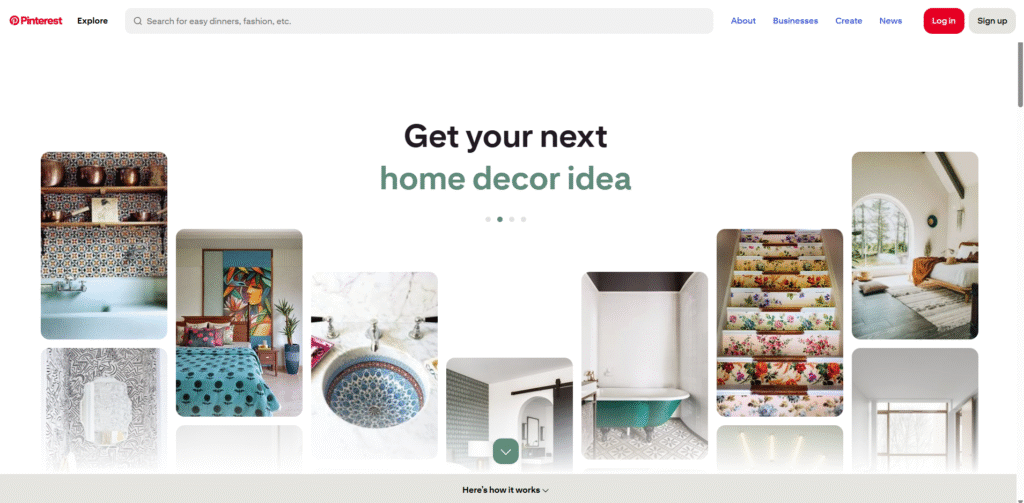
Pinterest SEO is the foundation of any successful affiliate marketing strategy. Pinterest acts as a search engine, so using the right keywords can make your Pins more visible.
Pinterest SEO Tips:
Keyword research:
Use Pinterest’s search suggestions to find popular keywords in your niche.
Optimize your pin titles. Include keywords in your pin titles. Use keywords in your description.
Write a clear keyword-rich description for each pin.
Optimize your boards:
Name your broads with keywords and make them relevant to your aera of expertise. Hashtags: Use 2-5 relevant hashtags to help Pinterest categorize your pins.
For example, if your niche is “home decor, you could use keywords like modern living room ideas, DIY home decor,” or “affordable home design.
Step 3: Choose a profitable niche
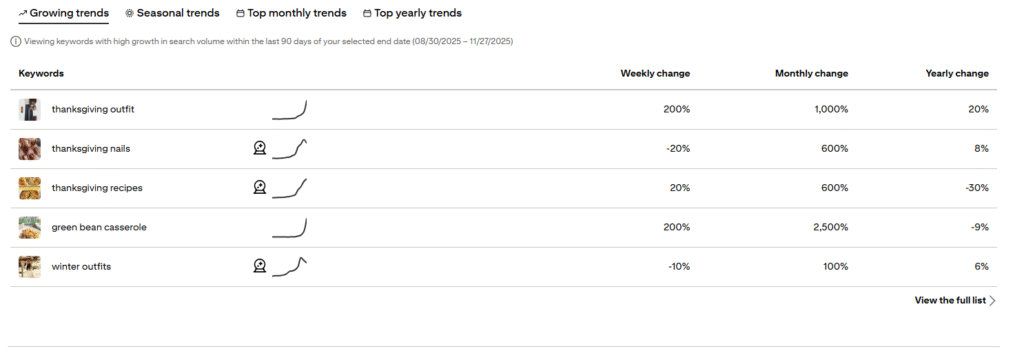
Affiliate marketing works best when you target a specific niche market. Choosing a niche will help you reach your target audience and increase your sales potential. Popular affiliate marketing areas on Pinterest include:
health and fitness
beauty and skin care
fashion and accessories
Interior, DIY, etc.
food and recipes
travel and lifestyle
technology and gadgets
Choose a niche that you like and has a large audience. Keep in mind that your Pins will perform better if your content is authentic and helpful.
Step 4: Research Affiliate Program
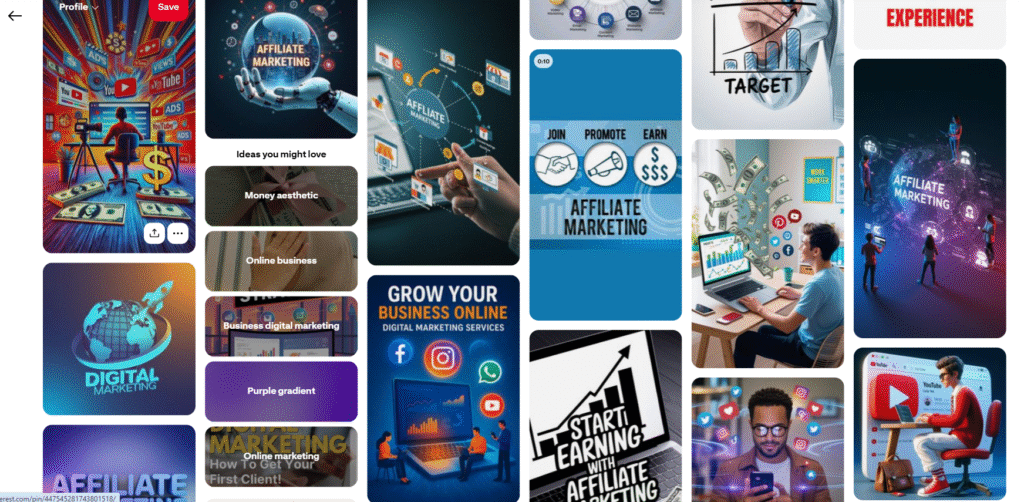
Once you have chosen your niche, the next step is to research affiliate programs. Below are some common options.
Amazon Associates:
One of the most beginner-friendly programs. Amazon‘s huge selection makes it easy to find products in your niche.
ShareASale:
We offer thousands of affiliate programs in a variety of fields. CJ Branch (formerly Commission Junction): Known for quality brands and products.
ClickBank:
Great for digital products and online courses. Rakuten Market: Provides global brands and physical products.
When choosing a program, keep the following in mind:
High quality product. Promoting trusted products creates trust.
Better fees:
Compare fees to see if it’s worth the effort.
Cookie Duration: The longer the cookie duration, the more likely you are to earn a commission.
Step 5: Create an engaging Pin
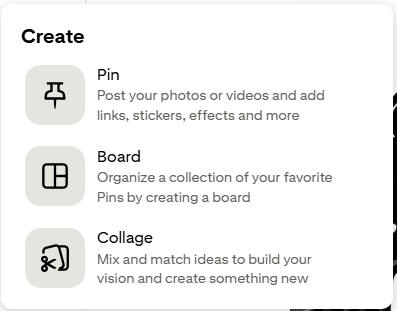
Creating visually appealing Pins is essential to success on Pinterest. Here’s what makes pins so effective:
Please use high quality images. Portrait images (2:3 ratio) are best.
Add a text overlay: Highlight the meaning of your pin, such as “10 DIY Home Decor Ideas.”
Use your brand colors:
Keep your Pins consistent so your brand is recognizable.
Create multiple pins for each post and test different designs and titles. Call to action (CTA). Encourage users to click links such as “Buy Now” or “Learn More.”
Pinterest is all about visuals, so the better your Pins look, the more likely people are to click on them.
Step 6: Post your affiliate link on Pinterest
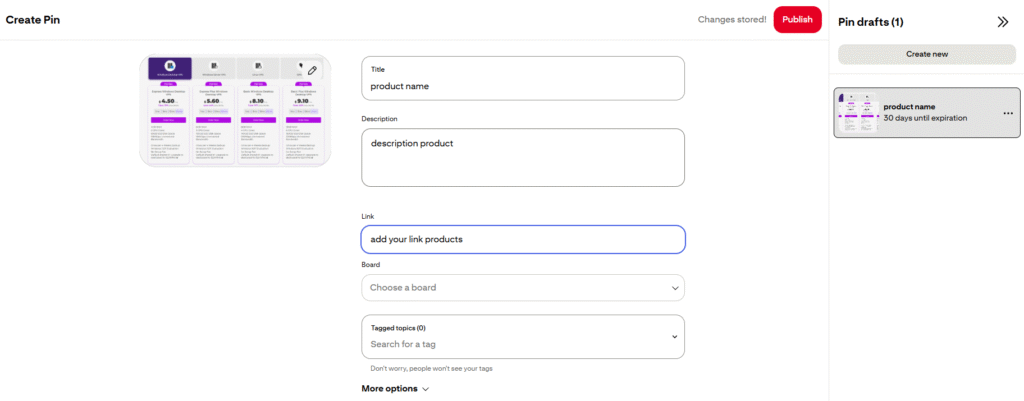
Pinterest now allows affiliate links directly on your Pins. However, it is important to follow good practices.
Affiliate Link Disclosure. To comply with FTC guidelines, use a clear disclaimer such as “This is an affiliate link.”
Use a landing page (optional). Some marketers choose to first direct users to a blog or website that has an embedded affiliate link. This increases credibility and may provide additional content.
Please don’t send spam. Focus on quality, not quantity. Posting excessive affiliate links may result in account termination.
You can post your affiliate link directly on your product or embed it in a helpful blog post that directs users to your link.
Step 7: Monitoring and analysis
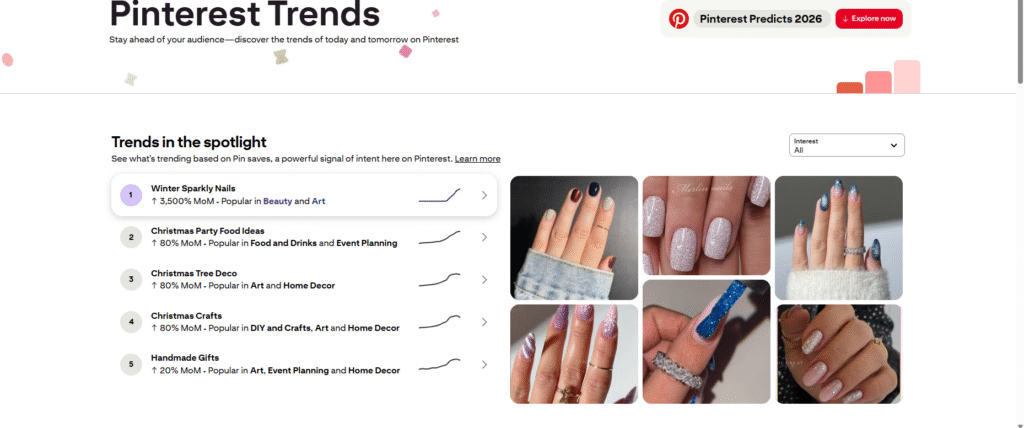
Tracking your performance is essential to success with affiliate marketing on Pinterest. Pinterest Analytics provides: Impressions: The number of times your Pin was viewed. Saves: How often people save your pins to their boards number of Clicks: The users who clicked on your pin. Audience analytics: demographics, interests, and devices. Additionally, affiliate programs typically offer a dashboard to track clicks, conversions, and commissions. Use these metrics to optimize your strategy, increase the effectiveness of what’s working, and change pins that aren’t.
Step 8: Grow your affiliate marketing with Pinterest
Once you start making money with affiliate links, it’s time to ramp up your efforts.
Create more pins: The more pins you have, the more traffic you will get and the more likely you are to make a sale. Diversify your income sources by joining more affiliate programs.
Automate pinning: Tools like Tailwind allow for scheduling and automation. Collaborate with influencers: Reach a wider audience by sharing your Pins to group boards.
Reuse content: Convert your blog post into multiple Pins or create a video Pin. Scaling isn’t about being harder, it’s about working smarter and consistently creating content that resonates with your audience.
Tips for Beginners to Succeed
Focus on One Niche at a Time: Avoid spreading yourself too thin.
Be Patient: Pinterest marketing takes time; results usually appear in 2-3 months.
Provide Value:
Pins that solve problems or inspire action perform best.
Stay Updated: Pinterest constantly changes its algorithm, so keep learning.
Test and Iterate:
Experiment with images, descriptions, and posting times.
Common Mistakes to Avoid
Ignoring Pinterest SEO:
Without keywords, your Pins won’t be discoverable.
Using Low-Quality Images: Poor visuals drastically reduce clicks.
Not Disclosing Affiliate Links:
FTC violations can get you banned.
Posting Too Much Affiliate Content: Balance promotional Pins with helpful, value-based content.
Expecting Immediate Results:
Pinterest is a long-term marketing platform, not a “get rich quick” tool.
Affiliate Disclosure / Legal Compliance
What Is Affiliate Disclosure?
Disclosure means that a person must clearly read the terms. When a person purchases a product by following an affiliate link that you have posted, you earn a commission. First, the person must follow the link you posted on Pinterest.
Example: #ad or “I may earn a commission if you purchase through my link.” This is the easiest method.
Why It Is Important
You gain trust while protecting yourself from FTC regulation issues.
Pinterest Policies & Rules
Important Pinterest Rules
You must avoid posting too many pins because you will immediately face spam issues.
You must use hashtags related to your topic reasonably.
If you violate copyright or image rights or repost content uploaded by others, it is a violation to repost it.
How to Protect the Account
You must avoid issues that Pinterest is against and follow these rules so that your Pinterest account is not blocked and becomes compliant and trustworthy.
Case Studies / Real Example
Example 1: Fitness Affiliate
A fitness blogger created a board about Home Workouts. Within 3 months, he generated 2,500 clicks and earned → $350 in commission, and this is achievable if you use it properly.
Example 2: Tech Gadgets Affiliate
On the other hand, a tech blogger created pins about “Best Budget Laptops 2025.” He received 1,200 clicks per month and earned $420 in commission.
Pin Creation Tools & Templates
Best Tools
Canva: Design is easy and ready-made, and it includes many ready templates.
Tailwind: Schedule many pins to increase engagement.
PinGroupie: Find boards suitable for your niche; they help you easily get traffic.
Size & Template Guide
Recommended size: 1000×1500 pixels, which is suitable for the image you are uploading.
Use bright colors and clear CTA.
Ethical Marketing & Trust Building
Building Trust
You must confirm affiliate links in your posts.
If you suggest valuable content that helps the user make a decision.
Ethical Marketing Tips
Do not force people to buy.
You must explain what you are talking about honestly.
Tracking & Conversion Optimization
Analytics Tools
Google Analytics: You must monitor and track website traffic.
Pinterest Analytics: You must know or understand the most successful pins in order to increase.
Optimize Content & CTA
You must test titles, descriptions, and CTA buttons to increase or expand conversions.
SEO & Keyword Strategy for Pinterest
Long Tail Keywords
You must create, for example: Best running shoes for flat feet 2025.
Hashtags & Boards
You must use hashtags suitable for your niche so that your traffic increases.
You must optimize boards so that pins appear when searched on Pinterest.
Conclusion
Affiliate marketing on Pinterest offers beginners a unique opportunity to generate passive income. With the right niche, Pinterest SEO, and high-quality Pins, you can drive traffic, build an audience, and earn commissions without creating your own products.
Remember success doesn’t happen overnight. Focus on learning Pinterest SEO, creating engaging content, and building trust with your audience. With patience, consistency, and smart strategies, Pinterest can become a reliable source of affiliate income.







6 Comments